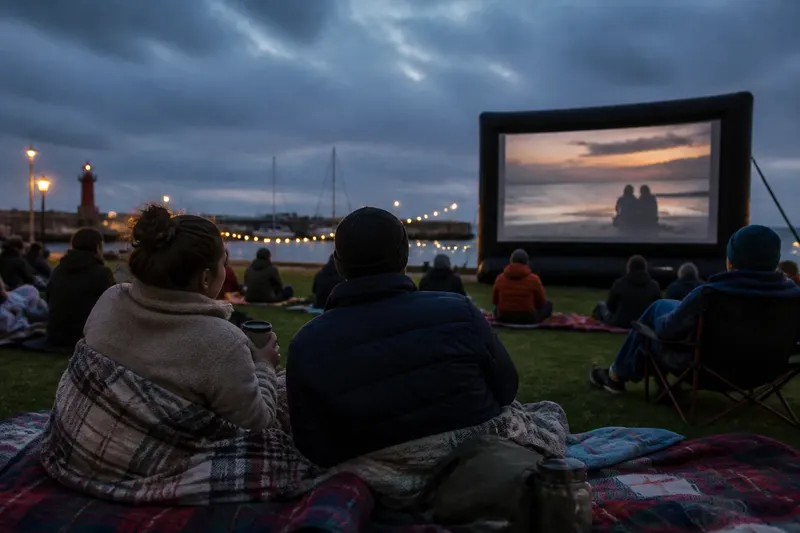
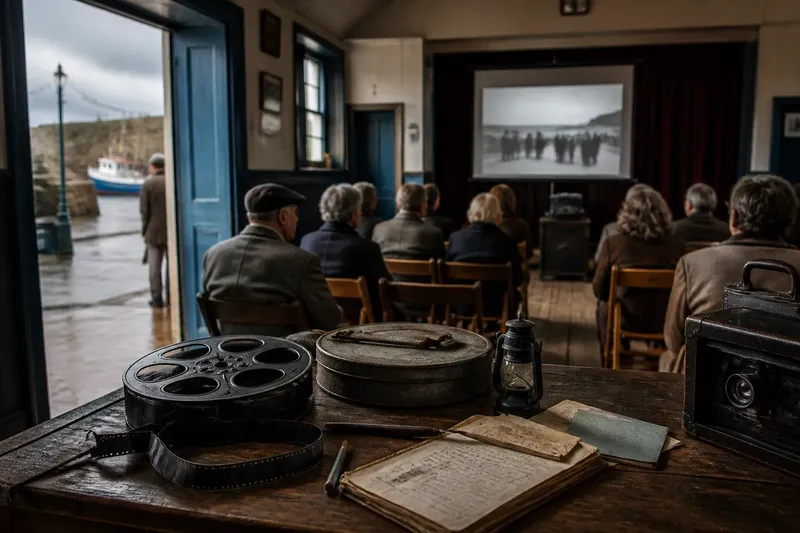
A Rainy Coast Day, Planned Around One Film
Plan a rainy coast day around one film, with an unhurried route, room for company and a simple ending that leaves the weather out of charge.
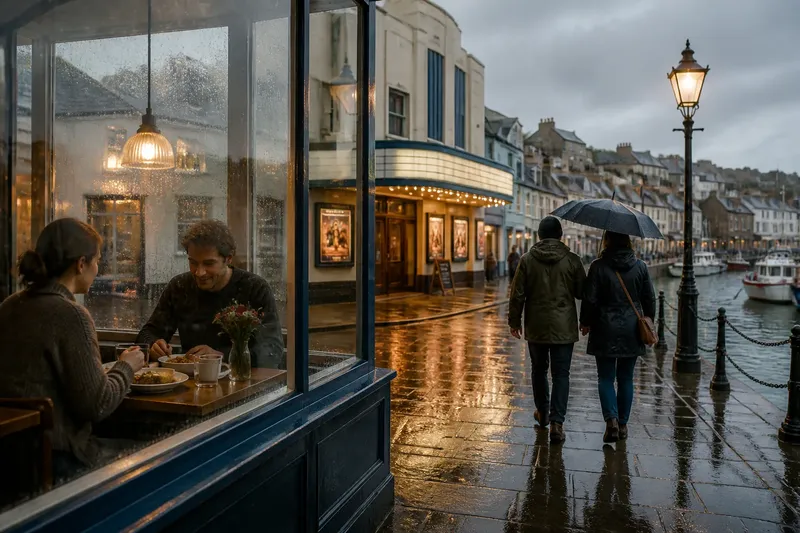
The common mistake with a rainy coast day is trying to rescue it with a packed itinerary. That turns a film outing into a race between wet pavements, café queues and a screening time; the film becomes a pause in the logistics rather than the reason to go. Plan the day around one chosen film, then let the coast supply a few unhurried intervals.
A good plan has a clear centre and loose edges. Choose the screening, decide what sort of company would suit it, and leave space before and after for the place you are visiting. Rain need not be treated as either a crisis or a scenic attraction. It is simply the day’s working condition, like a bus timetable with less charm.
Which film should anchor the day?
Start with the mood you want to carry through the outing, not with the most impressive title on the listings. A contemplative drama can leave room for a quiet walk under the promenade shelters. A brisk comedy may suit a lively lunch and a companion who likes to discuss every turn of the plot. A familiar favourite can be the right choice when the forecast and travel already demand enough attention.
Check the cinema’s programme and choose a screening that gives the day a useful shape. A matinee usually leaves daylight for a coastal wander afterwards; an early evening screening can follow a slow lunch and a sheltered visit to a gallery or museum. Do not select a film solely because its setting resembles the coast outside. The sea is not obliged to make every outing feel like a double bill.
Consider length, tone and how much attention the film asks of you. If you are meeting someone who has had a long week, a dense plot may feel like another appointment. If you are going alone, a film that rewards close attention can make a rainy afternoon feel deliberately spent rather than merely passed.
How should you set the day’s pace?
Work out the screening time first, then place no more than one substantial activity on either side of it. Allow enough slack for a late bus, a slow lunch or a coat that takes longer to dry than expected. The point is not to predict every delay; it is to avoid making one small delay undo the whole plan.
Choose a base near the cinema or a convenient transport stop. In a coastal town, that might mean a café on the route from the station, followed by the cinema and a short harbour loop afterwards. Check opening times and access details before setting out, especially for small museums, independent cinemas or seasonal services. If the weather worsens, a shorter route and a warm indoor stop are sensible alternatives, not evidence of failure.
Keep travel between activities simple. A town map, the cinema’s address and the local bus operator’s timetable are often enough. Save the address somewhere you can reach without a patchy signal, and bring a compact umbrella or waterproof hood rather than relying on a long exposed walk to provide atmosphere. Atmosphere is more agreeable when your socks are not involved.
What belongs before the screening?
Give the pre-film part a modest purpose: arrive, eat or drink something, and settle into the town. A café with covered windows can make a useful place to watch the weather pass without turning lunch into a two-hour negotiation. If you want to walk, choose a short, familiar stretch such as a sheltered promenade or the streets around the harbour, and leave the more exposed headland for another day.
Choose food that fits the screening rather than competing with it. A proper lunch works well before a matinee; a tea and a small pastry may be enough before an evening film. If you are meeting someone, agree whether you are eating together or simply arriving early for a drink. That small decision removes the familiar exchange of messages that begins with “I’m easy” and ends with everyone hungry.
Imagine you have booked an afternoon screening in a small harbour town and the rain is steady. You meet a friend at a café close to the cinema, eat lunch without rushing, then take a short walk along the covered side of the quay. The expected result is practical rather than heroic: you reach the auditorium dry enough to be comfortable, with something to talk about besides the weather and no need to watch the clock.
How do you make room for company?
Agree on the sort of outing before choosing every detail. One person may want conversation and a long meal; another may prefer a quiet walk and a film without a post-screening debrief. A useful plan can accommodate both, provided you say what is optional. For example, make the walk a chance to join in rather than a condition of the day.
For a group, settle the film and meeting point early, then leave the rest flexible. People can arrive by different routes, and not everyone needs to order the same meal. If someone has limited mobility or would rather avoid wet, uneven paths, choose a step-free indoor stop and confirm the cinema’s access arrangements directly. Specific needs are easier to accommodate when raised before everyone is standing in the rain.
Going alone needs no elaborate justification. A solo film outing can be built around a bookshop, a window seat or a quiet drink, with the cinema itself providing the fixed point. Decide whether you want to linger afterwards or head straight for transport. Either choice is complete; solitude does not require a packed schedule to look respectable.
What should you do after the credits?
Do not assume the film must be followed by a full discussion. Give yourself a short transition: step into a sheltered street, look at the harbour lights if they are visible, or get a warm drink before travelling home. If conversation comes naturally, start with one specific detail—a performance, a sound, a moment that changed the mood—rather than asking for an instant verdict.
A brief local stop can make the ending feel connected to the place without turning the film into a sightseeing assignment. A bakery still open, a covered pier entrance or a familiar bus stop may be enough. Check the return journey before settling in, particularly if services are less frequent later in the day. The final stretch should be chosen for convenience, not because the itinerary demands one last view of the sea.
For a film that leaves you pensive, allow a little quiet. For a lively film, a short conversation over chips or tea may be welcome. Neither response needs to be staged. The satisfying ending is usually the one that lets the screening settle while making it easy to get home.
What do rainy coast film-goers often ask?
Should I book cinema tickets before planning the rest?
Choose the film and screening time first, then build the surrounding plans around them. Book ahead if the venue recommends it or the screening is likely to be busy, and keep the rest of the day flexible.
What if the weather becomes too rough for a walk?
Replace the walk with an indoor stop near the cinema, such as a café, library or gallery that is open that day. A rainy outing does not owe anyone a coastal walk, especially when wind makes the route unpleasant.
Is a meal better before or after the film?
Eat beforehand if you want a calm arrival and an unhurried screening. Choose a small post-film meal or drink if you would rather talk afterwards, but check closing times before relying on a late option.
What is not worth planning in detail?
There is little value in scripting every pause, choosing several photo stops or trying to match each scene to a real view. A single film and one or two comfortable stops are enough to give the day shape.
How can you keep the plan simple?
Before leaving, check the cinema time, the route there, one suitable place to stop and the journey home. Decide what can be dropped if the rain is heavier than expected. That is all the planning a rainy coast day needs: a film worth seeing, a little room around it and a practical way back. The forecast may still have the last word, but it need not write the whole programme.